01 / THE BRIEF
Make personalization useful before making it impressive.
Thesis already owns a strong product truth: different cognitive goals should not receive one universal nootropic. The creative challenge is making that distinction clear before a cold viewer gets lost in formulas, ingredients or category jargon.
I treated this as a creative-system problem—not a request for three attractive ads. The goal was to find the audiences with the strongest cognitive jobs-to-be-done, identify what each needed to believe, and build concepts that moved from recognition to trust to purchase.
The governing question became: How can Thesis acquire with personalization, convert through one precise pain point, and retain through repeatability?
02 / THE RESEARCH SYSTEM
The spreadsheet was the operating system—not the deliverable.
I built a 20-tab working model called Thesis — Creative Intelligence. It connected public evidence to decisions so every concept could answer “why this audience, why this angle, and why now?”
Offer, formula system, claims, pricing and the quiz.
45 public customer inputs across marketplaces, reviews and community discussion.
Open this research layer
Five competitor systems, Thesis paid ads and the brand's organic content.
Audiences, value blocks, angles, funnel roles and a four-layer strategy pyramid.
Open this research layer
Four video concepts, eight static ads and a compact future-testing roadmap.
What lived inside the workbook +
The raw workbook stays in the appendix. This page shows the decisions it produced; every tab below opens at the exact supporting sheet.
All 20 workbook tabs
03 / WHAT THE RESEARCH CHANGED
Four conclusions shaped the entire creative system.
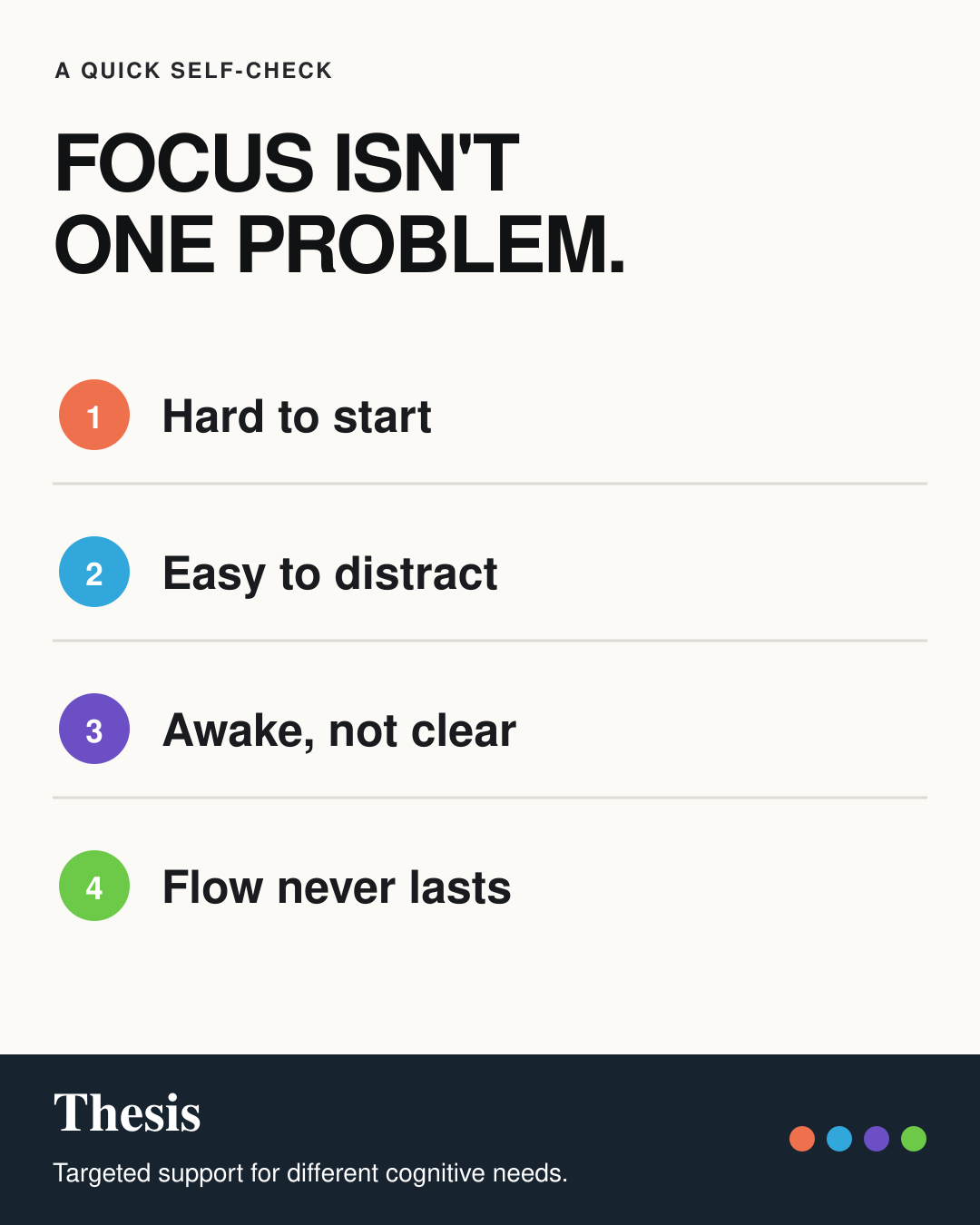
Focus is not one problem.
Difficulty starting, brain fog, fragmented attention and overstimulation may all be called “focus problems,” but they create different emotional stories and different product bridges.
Clarity is the broad acquisition doorway.
At the research snapshot, Clarity represented roughly 48.6% of the visible product-review proxy. Its brain-fog and concentration language maps naturally to the largest plausible audience: the Deep Work Operator.
Skepticism is usable creative material.
Price, efficacy, dosage, personalization and distrust of polished supplement testimonials repeatedly surfaced as friction. Acknowledging those doubts produces a more believable story than trying to overpower them.
Personalization needs honest language.
Thesis offers guided formula selection and continued adjustment—not a bespoke capsule formula engineered for every individual. That limitation can become evidence of a more credible, iterative system.
Inspect the audience and voice-of-customer evidence
04 / STRATEGY AT A GLANCE
A four-layer system for turning evidence into advertising.
THE CENTRAL CREATIVE THESIS“The problem is not that your brain is broken. The problem is that several different forms of cognitive friction are being treated like the same thing.”
05 / THE CREATIVE SYSTEM
Four video concepts. One job at each stage.
Open the complete concepts and scripts
Your Brain Isn't Lazy
ADHD-Adjacent Momentum Seeker
A creator documents the strangely familiar gap between being capable of doing the work and being able to begin it.
The Distracted-Day Autopsy
Deep Work Operator
One ordinary workday is reconstructed through timestamps, tab switching, rereading and another coffee that never solves the real problem.
The Skeptic Who Changed Their Mind
Rational / Skeptical Buyer
A credible customer begins with everything they distrusted about nootropics and explains the specific experience that changed their opinion.
Choose for the Brain You Have
Guided Nootropic Explorer
A visual explainer maps different cognitive needs to four formulas and shows how the quiz reduces the burden of choosing.
STATIC SUITE / 4 TOF + 4 BOF
Recognition above. Resolution below.
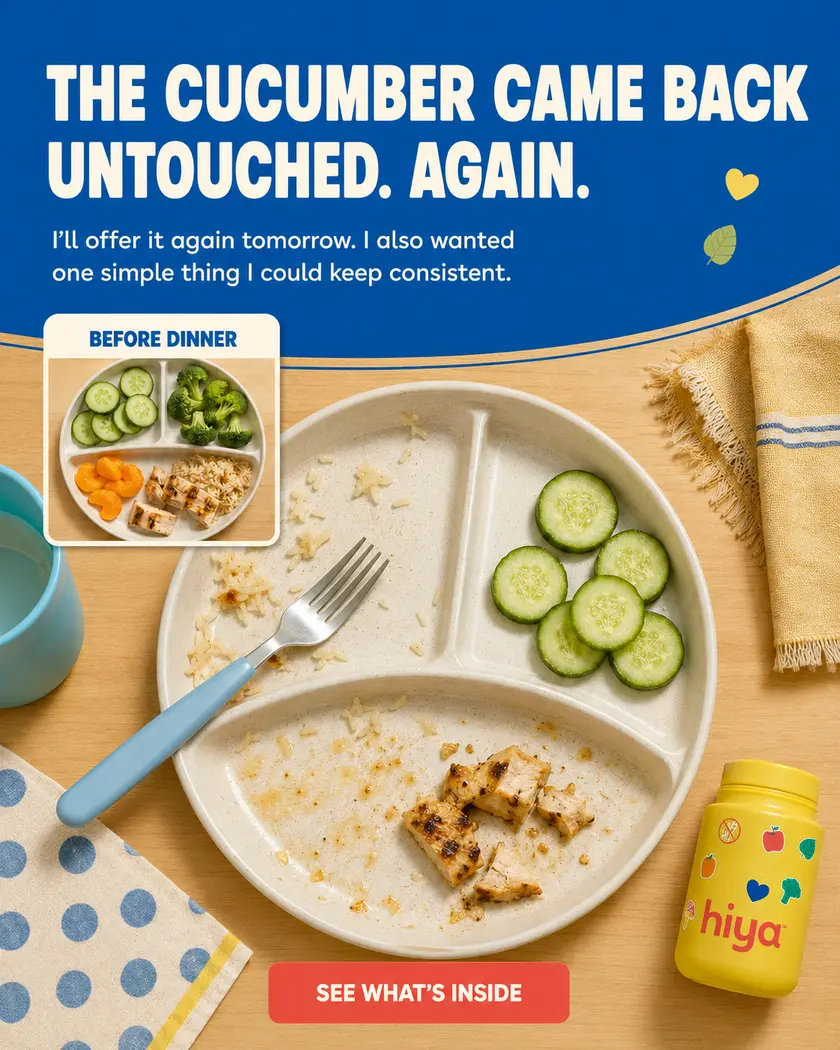
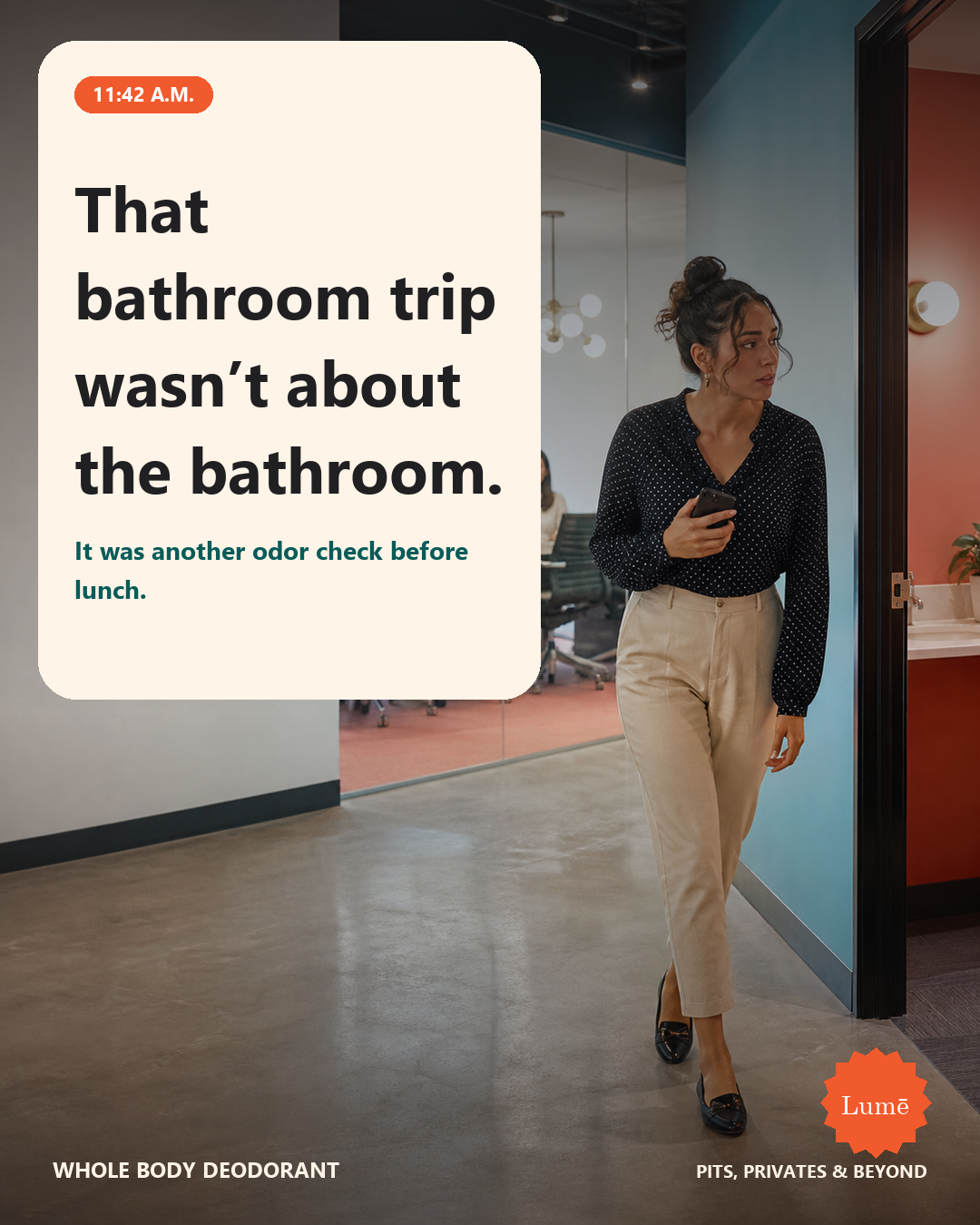
The TOF work dramatizes cognitive friction in under a second. The BOF work makes the system, proof, offer and risk reversal immediately legible.
Open the static planning sheet


*Nov. 2025 open-label perception study of 150 Clarity customers.


06 / FUTURE TESTING
The work ends with decisions—not a folder of files.
Find the pain that earns attention.
Test task initiation, fragmented attention, stimulation without clarity and broad formula differentiation. Compare concepts by relative hook, hold and click behaviour.
Find the proof that earns belief.
Iterate the strongest pain through customer testimony, formula-specific explanation, founder context and transparent study disclosure.
Find the path that earns purchase.
Test quiz-led selection against formula-led landing paths, then compare offer, guarantee and proof ordering for product-aware audiences.
Creative-level spend, conversion and new-customer data; post-purchase survey responses; retention by first formula; creator-level performance; and the ability to separate interesting ideas from profitable ones.
Open the future-testing plan
FINAL NOTE
I did not make ads and reverse-engineer a strategy around them.
I built the evidence base first, found the gaps, chose the audiences and angles, and then made the creative. That order is slower once—and much faster every week after.
This is independent spec work created from publicly available information. It was not commissioned by Thesis, and it does not claim access to Thesis’s private performance data or proven revenue outcomes.